Jishou · Xiangxi · Hunan
An Ounce of Gold for an Ounce of Tea
Single-origin black and green tea from Jishou, Hunan — a registered Chinese geographical indication with a published amino acid content of 7.8%, roughly twice that of comparable cultivars. We contract the full annual yield of the gardens we buy from, so every lot is traceable to a plot and a picking date.
Origin at a glance
- Years of documented history
- 2,245Years of documented history
- Amino acid content, published figure
- 7.8%Amino acid content, published figure
- Chinese GI certification mark
- 15887938Chinese GI certification mark
- Mu of certified origin plantation
- 150,000Mu of certified origin plantation
Terroir & ecology
Cloud, altitude, and a mountain that decides the tea
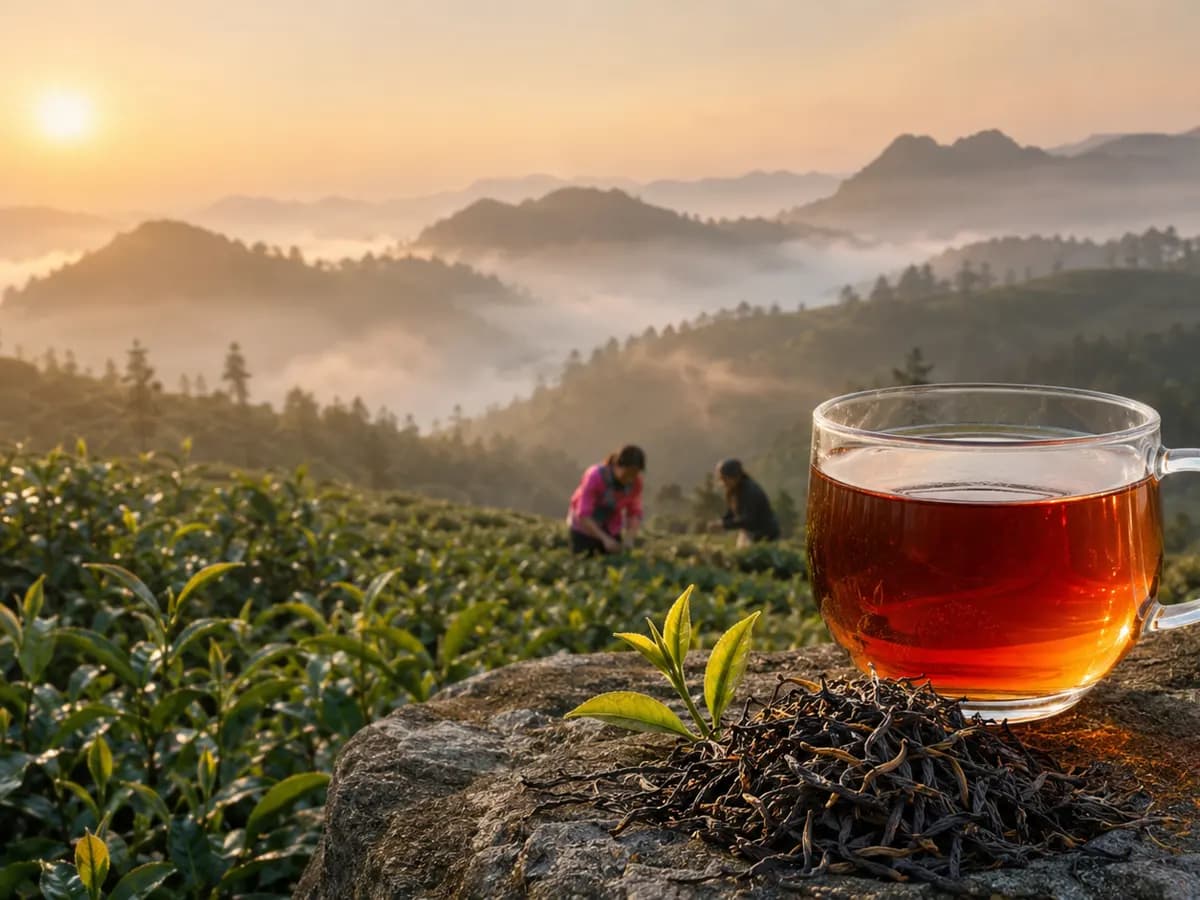
The gardens sit between 500 and 800 metres in the Wuling mountains, on slopes that spend much of the spring inside cloud. That fog is not scenery — diffuse light slows the leaf down enough to accumulate the amino acid concentration this origin is known for.
- Altitude
- 500 – 800 m
- Range
- Wuling mountains
- Growing environment
- Persistent cloud and fog
- Diurnal range
- Wide
Since the Qin
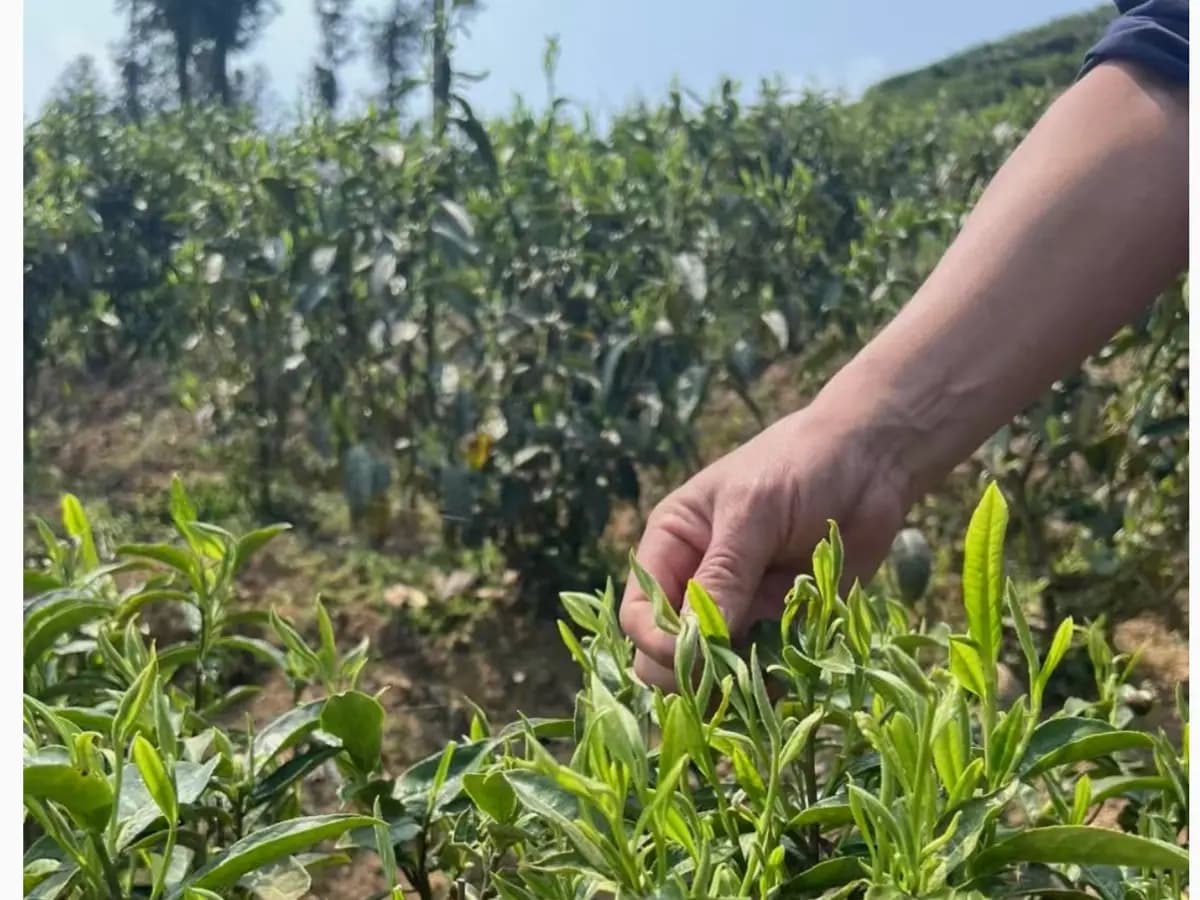
An ounce of gold, recorded in 1539
A long documented history and almost no export history. This tea was never built for a market — it is simply what these mountains made, and it is only now leaving them.
Geographical Indication
A protected name, not a marketing claim
Xiangxi Golden Tea is protected as a Chinese geographical-indication certification mark, registration No. 15887938, held on behalf of the prefecture and upheld on challenge by the Beijing High People's Court. The name is reserved for tea grown and processed within the eight counties of Xiangxi, with Jishou as the core production area.
What we supply
Five lines, one origin
Loose-leaf black tea is our core business. Green tea, custom packing formats, instant powder and private-label personal care extend the same supply base into adjacent categories.
Black Tea
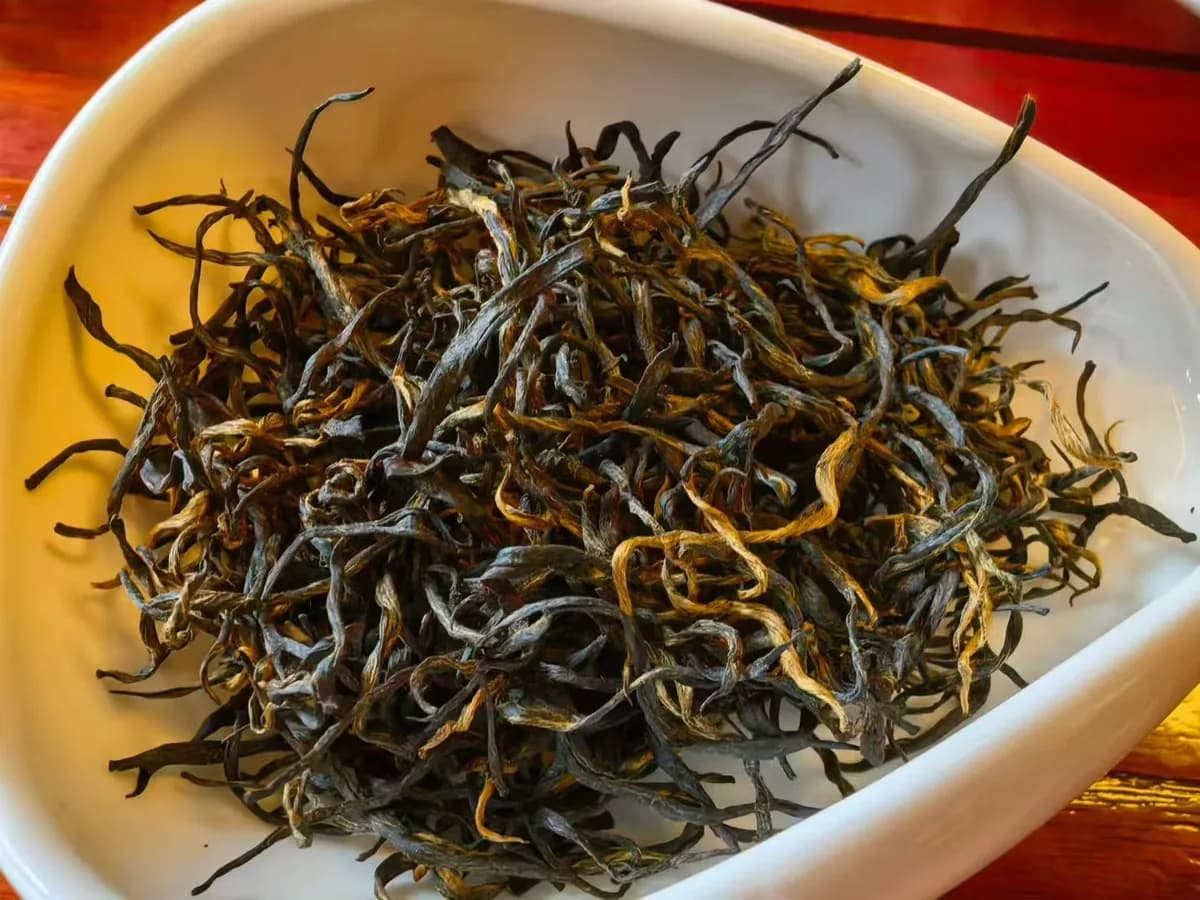
Orthodox gongfu black tea made from the Huangjincha cultivar. Post-Qingming plucking, full withering-to-drying process, five grades from pure bud to teabag cut.
Learn more →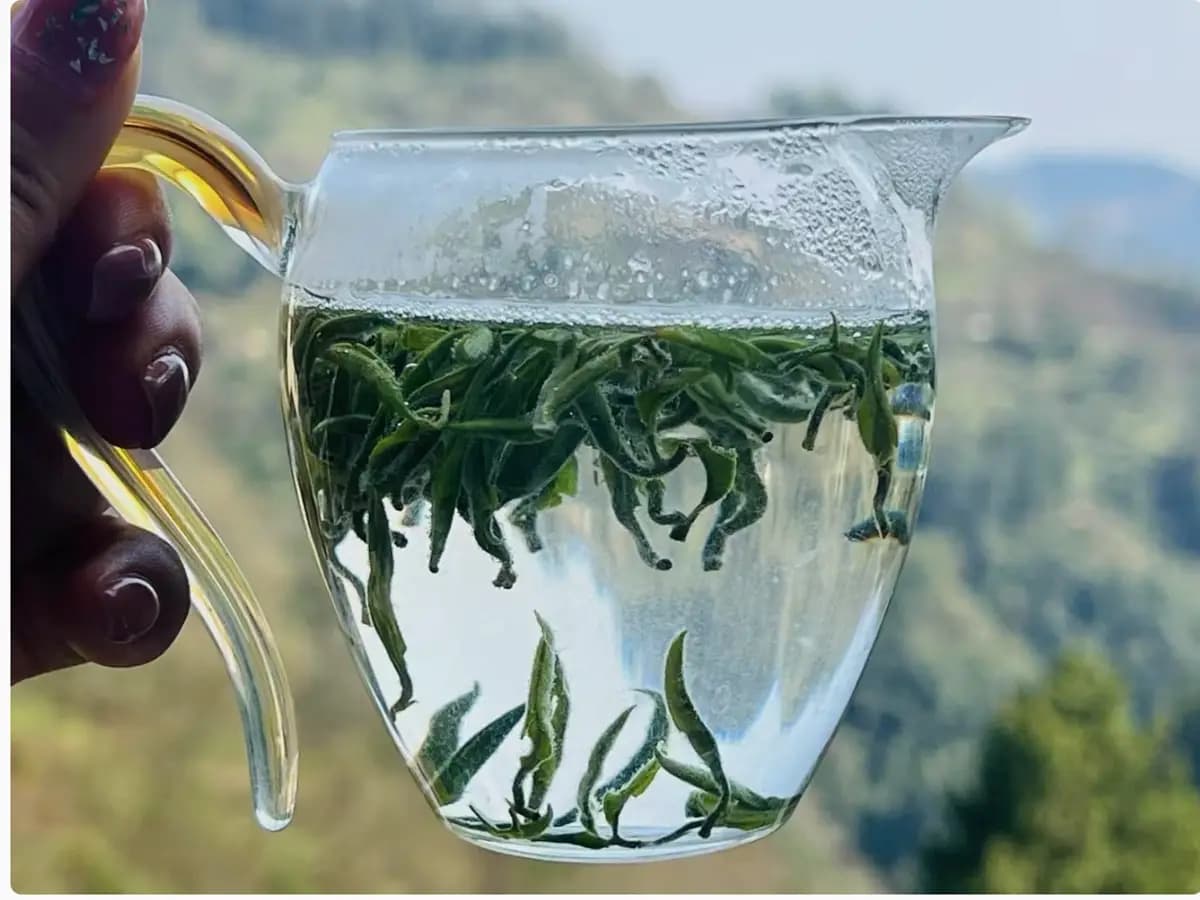
Green Tea
Pre-Qingming green tea from cultivars No.1, No.2 and No.8 — the grades the origin is best known for domestically, in export-ready packing.
Learn more →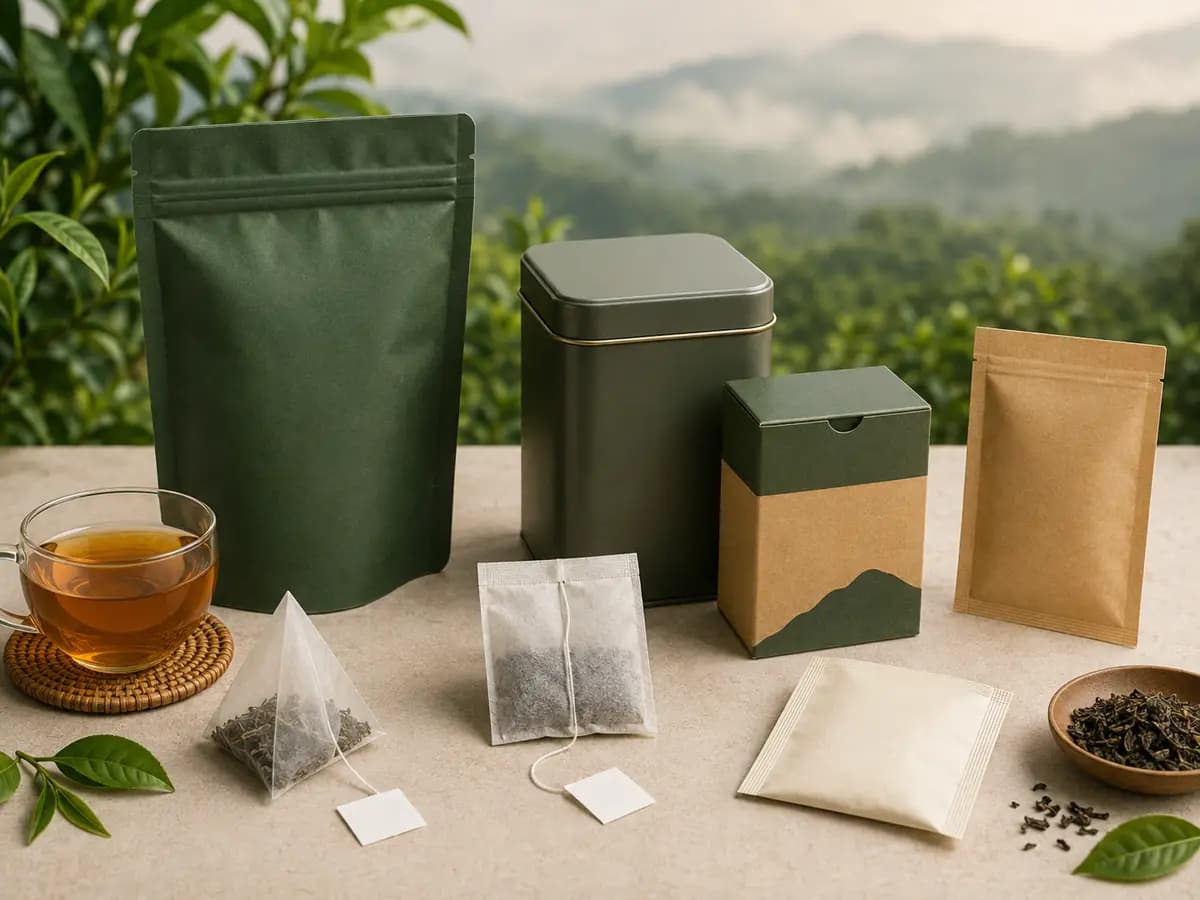
Custom & Private Label
The same tea, filled and printed to your specification — from 2 g hotel sachets to 25 kg bulk cartons, with your brand on the pack.
Learn more →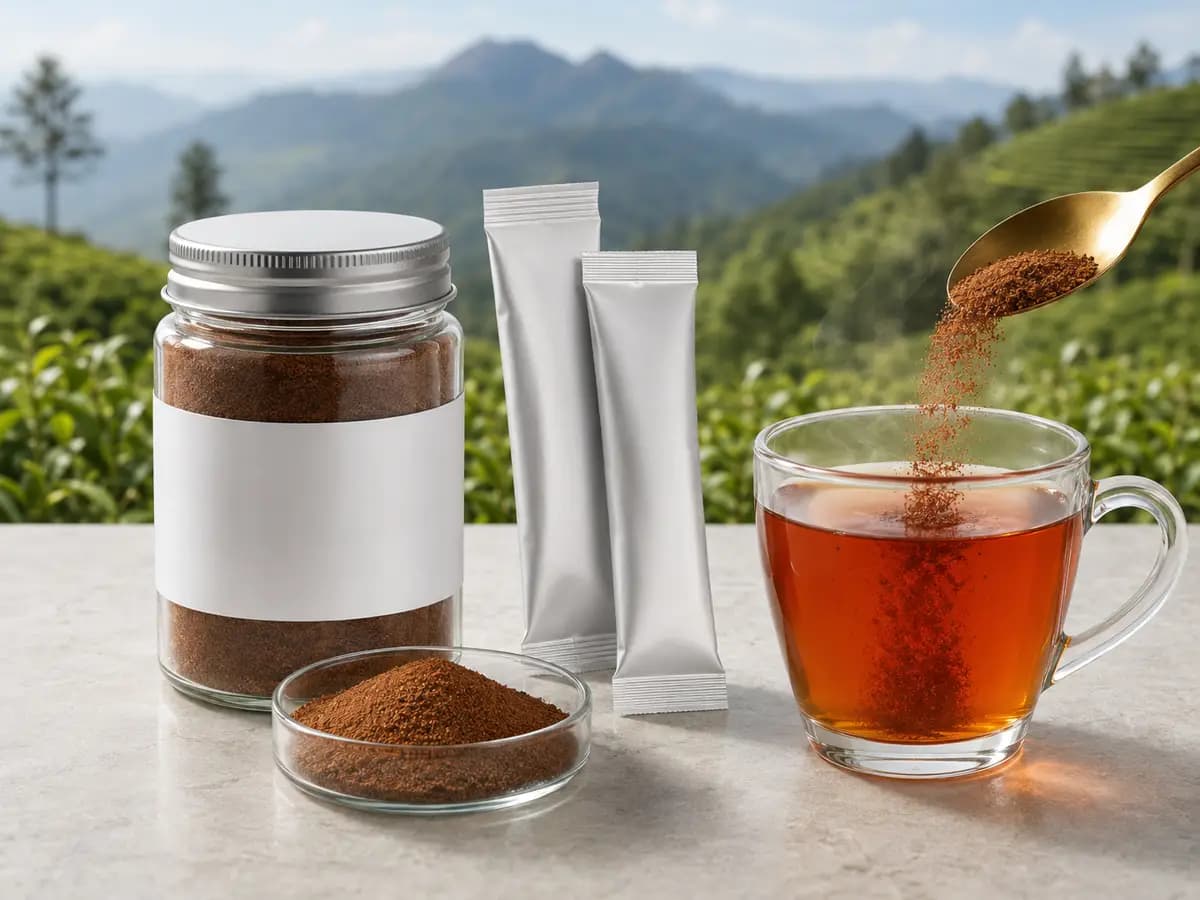
Instant Powder
Spray-dried instant tea powder and extract for beverage, RTD and bubble-tea manufacturers — specified on solubility, colour value and batch consistency.
Contract-manufactured at partner facility
Learn more →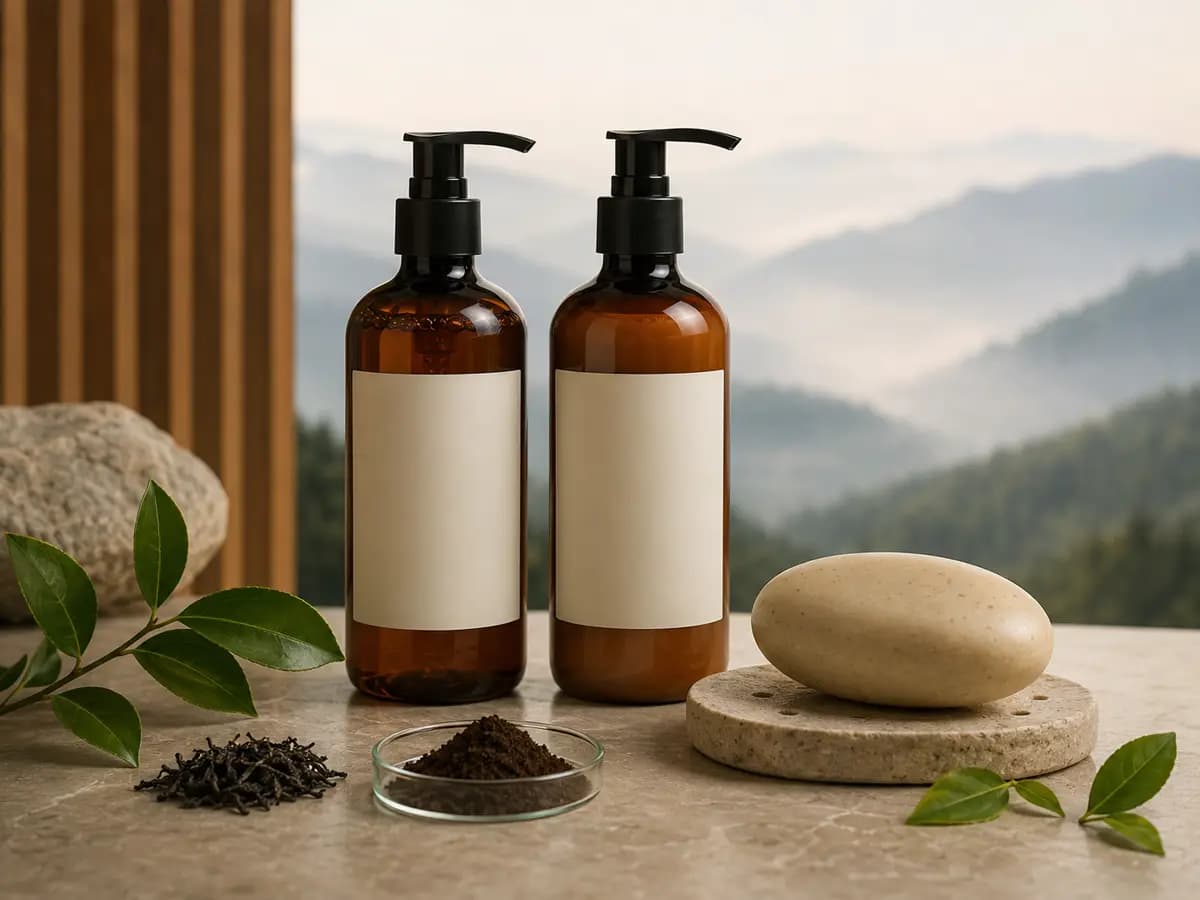
Personal Care (OEM)
Contract manufacturing of tea-saponin and camellia-oil personal care under your brand. You own the brand and the cosmetic registration; we manufacture to your specification.
Contract-manufactured at partner facility
Learn more →Why this origin
Why buyers choose this origin
A name protected in EU law
“Xiangxi Golden Tea” is a registered geographical-indication certification mark (No. 15887938), and its validity was upheld on challenge by the Beijing High People’s Court. For a buyer, that is not a marketing claim to evaluate — it is a register to check.
A composition figure you can verify
7.8% amino acids, roughly twice comparable cultivars from the same harvest period. It is a laboratory number, reproducible on your own sample, and it is the compositional reason behind the sweetness and low astringency in the cup.
Whole-garden contracts, not spot buying
We contract the full annual output of the gardens we buy from. That is why we can commit volume ahead of a season, and why every lot traces to a plot and a picking date rather than to a market floor.
Documentation treated as part of the product
Certificate of analysis, certificate of origin and phytosanitary certificate ship with the goods. EU multi-residue testing under Regulation (EC) 396/2005 is run before shipment, because that is where Chinese tea most often gets held.
Traceable to plot and picking date
Every lot carries a garden reference, altitude, cultivar, picking date and batch number. This is the thing large trading houses structurally cannot offer.
Documentation shipped as standard
Certificate of analysis, certificate of origin and phytosanitary certificate travel with the goods. Multi-residue screening is run before shipment, not on request.
Honest about what we do not do ourselves
Instant powder and personal care are contract-manufactured at partner facilities under our specification. We say so on the product pages, and we will arrange audit access.
A price ladder, not one price
Micro-lots at 5 kg through to commercial grades at 300 kg. A single supplier relationship covers both a premium shelf line and a volume programme.
Comparison
How we differ from the alternatives
| Large trading house | Marketplace supplier | This origin | |
|---|---|---|---|
| Breadth of range | Very wide | Wide | One origin, five lines |
| Price on commodity grades | Strongest | Strong | Not competitive |
| Traceable to plot and picking date | No — lots are pooled | Usually no | Yes, on every lot |
| Named cultivar and harvest window | Rarely | Rarely | Always |
| Protected designation of origin | Varies by lot | Unverified | Chinese GI mark, public register |
| Residue report tied to your lot | On request | Varies | Standard, before shipment |
| Who you talk to | Account manager | Sales agent | The people who buy the leaf |
| Can commit volume before a season | Yes | No | Yes — garden output is contracted |
Process
From garden to container
Six controlled steps, documented per batch.
 01
01Withering 萎凋
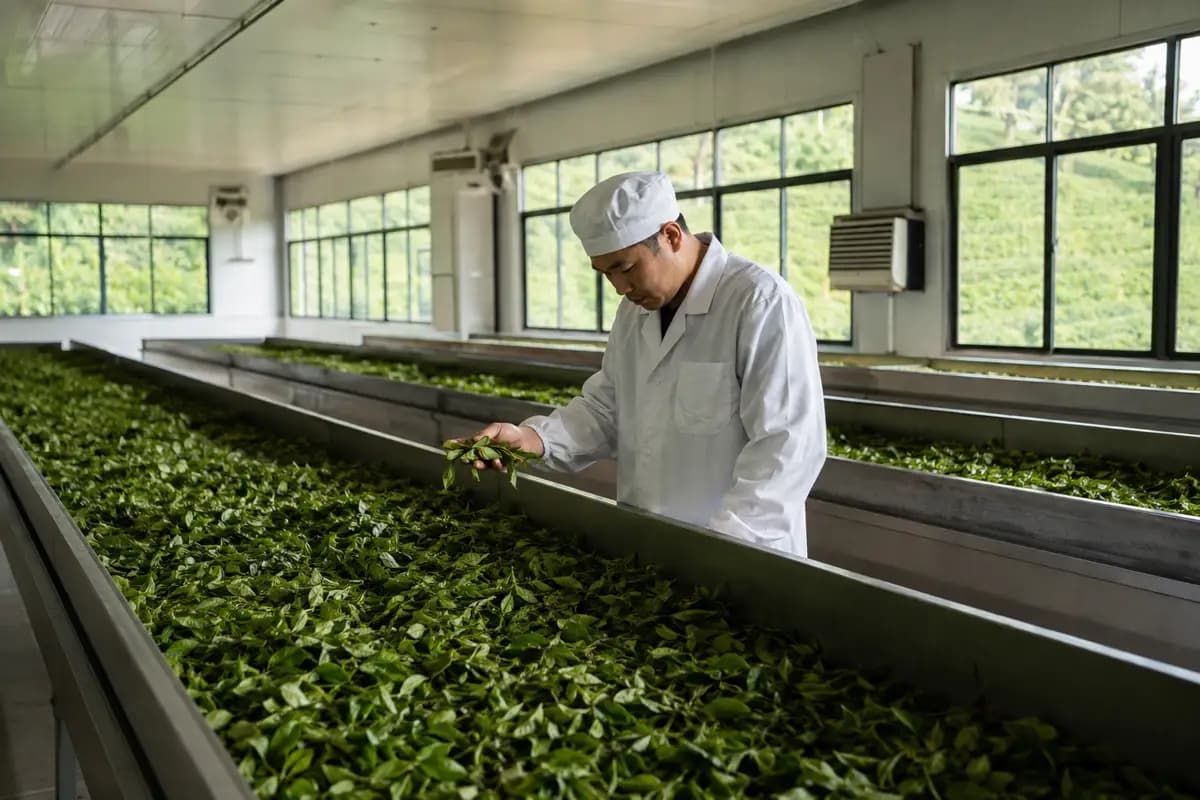
Fresh leaf is spread on trays for 12–16 hours to reduce moisture and make the leaf pliable enough to roll without tearing. Humidity and airflow are controlled; over-withering costs aroma, under-withering costs the roll.
 02
02Rolling 揉捻
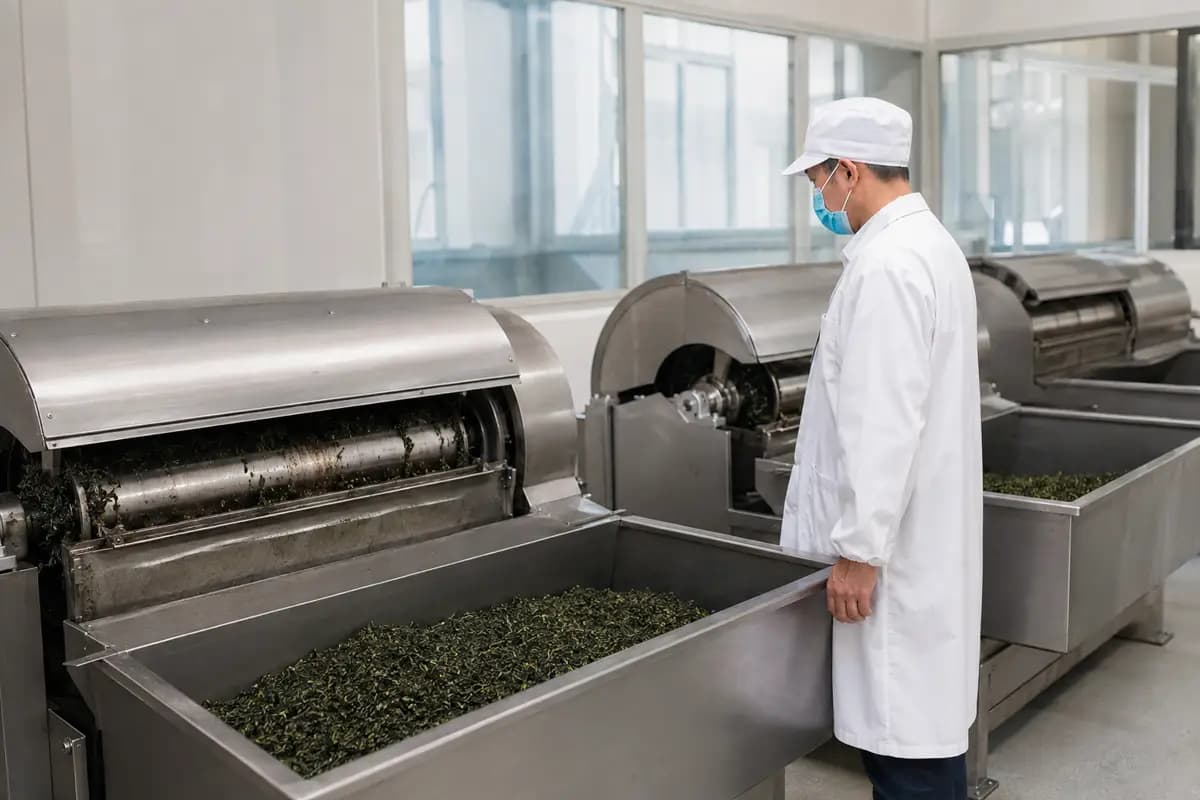
The withered leaf is rolled in three stages of increasing pressure. Rolling ruptures the cell walls, releasing the enzymes and substrates that drive oxidation, and gives the finished leaf its twist.
 03
03Oxidation 发酵
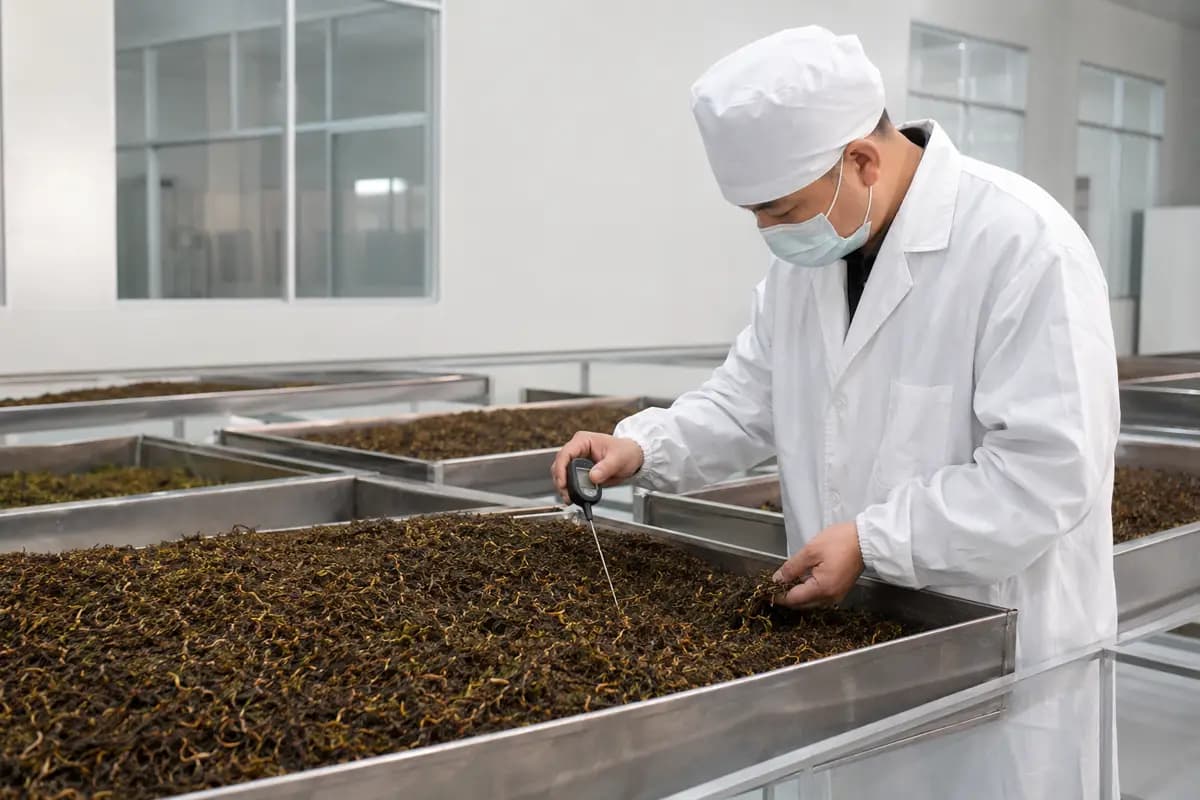
The rolled leaf rests in a humidity- and temperature-controlled room. This is the step that makes black tea black: polyphenols convert to theaflavins and thearubigins, and the leaf turns from green to copper. Timing is judged by aroma and colour, not by clock alone.
 04
04Drying 干燥
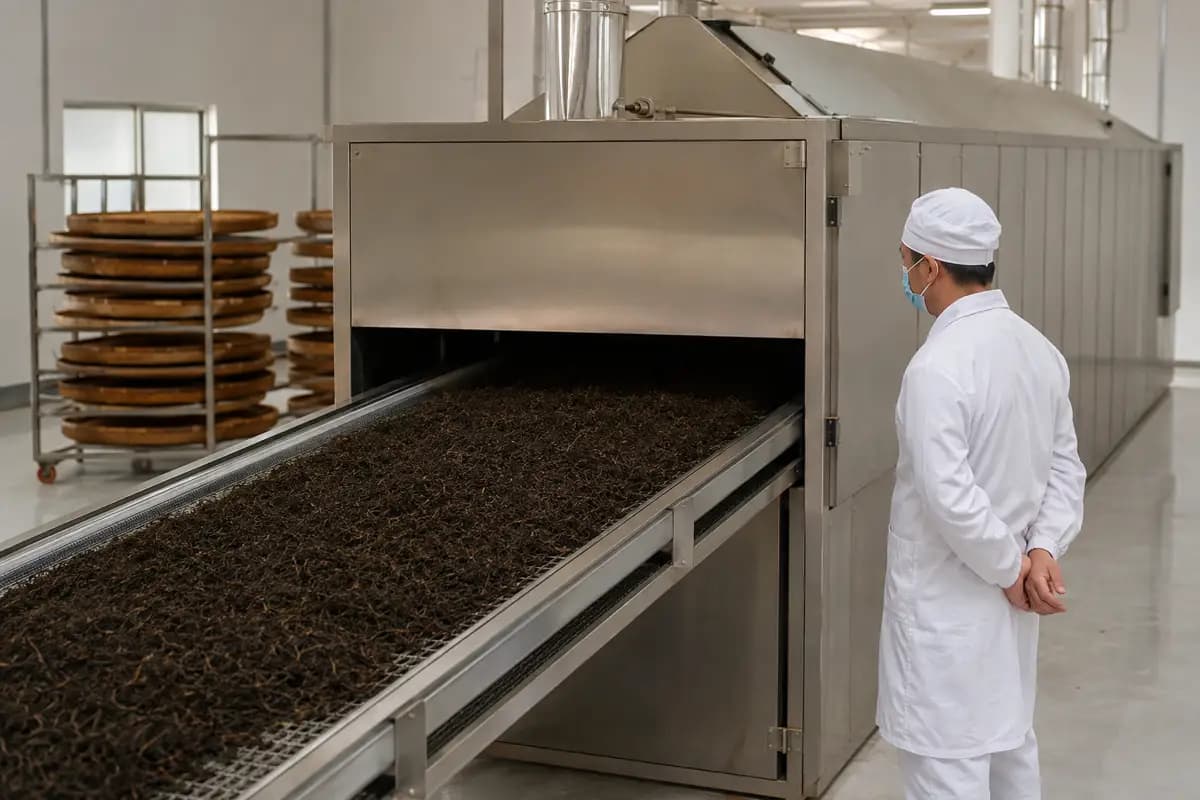
Hot-air drying halts oxidation at the chosen point and brings moisture down to a storable level. Done too fast the leaf case-hardens; done too slow the profile drifts.
 05
05Sorting & refiring 精制筛分
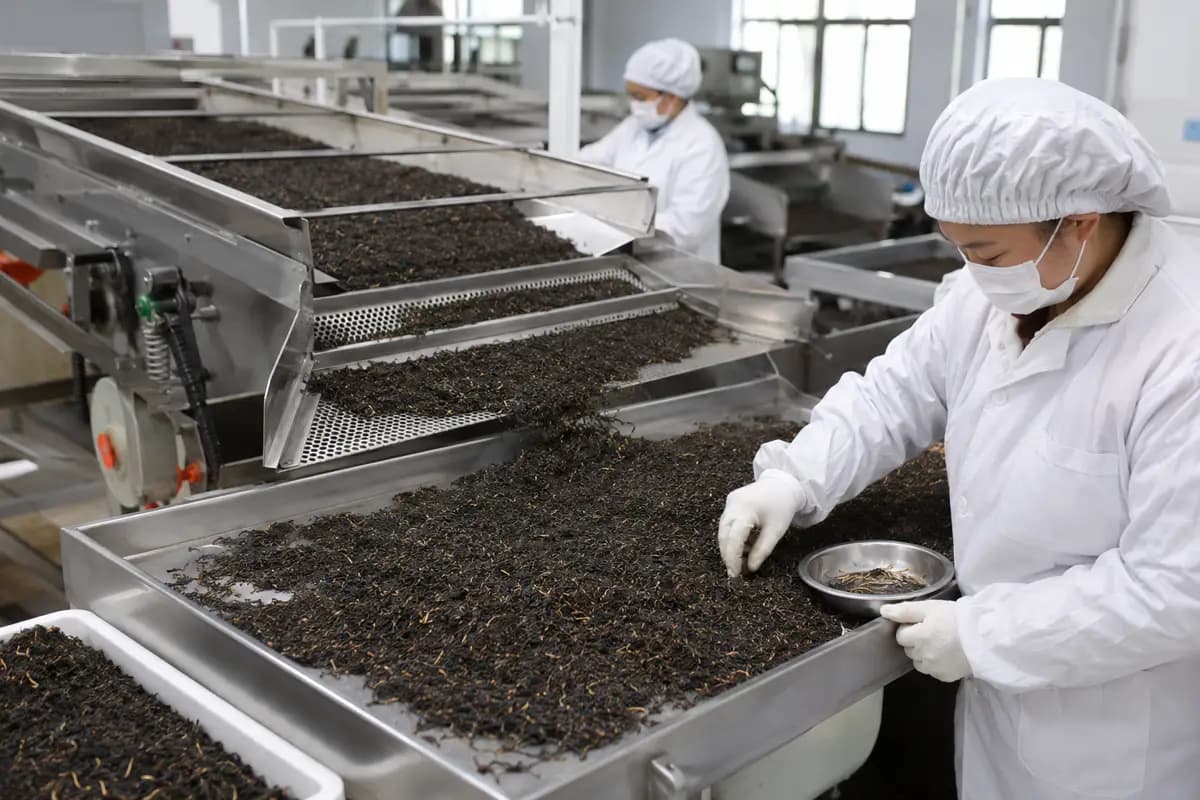
The dried tea is screened by size, winnowed to remove fibre and stem, and refired to final moisture. Grade separation happens here — Imperial, Premium, Commercial and teabag cut all come off the same sorting line.
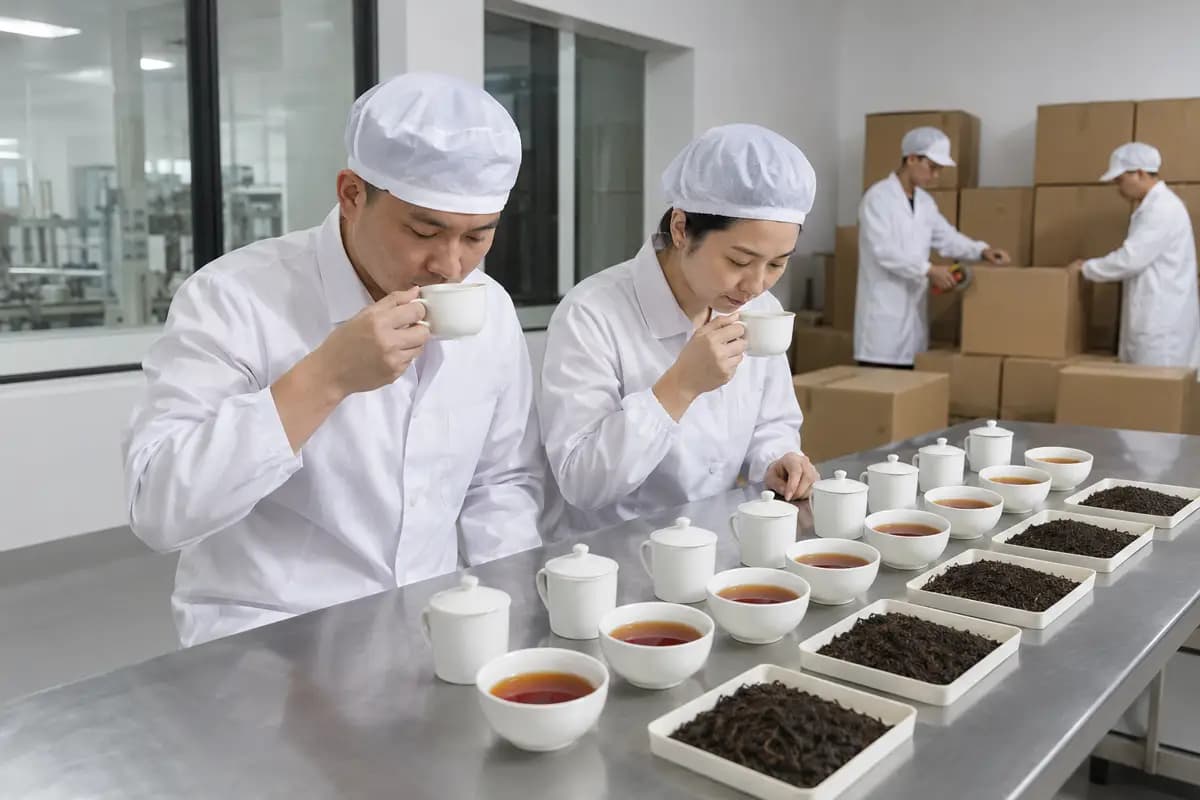 06
06Quality control & packing 审评与包装
Every batch is cupped against retained reference samples and sampled for residue analysis. Cleared batches are packed into foil-lined cartons with lot number and production date, then palletised.
Applications
Who we supply
Specialty Tea Retailers
A geographical-indication origin with a documented story, verifiable composition data and grades that ladder from an entry bag to a micro-lot.
25 – 500 kg per order
Private Label Brands
Full private-label service from leaf selection to finished retail pack, with you as brand owner throughout.
1,000 – 50,000 units per SKU
Hotels & Foodservice
2 g branded room sachets, pyramid bags for restaurant service and bulk leaf for banqueting — costed per cup, not per kilo.
20,000 – 500,000 sachets per order
Beverage & RTD Manufacturers
Instant powders and extracts specified on solubility, colour value, acid stability and batch consistency, for bottling lines and bubble-tea chains.
100 – 5,000 kg per order
Tea Repackers & Blenders
Volume-grade leaf and teabag cut with stable specification, EU-compliant residue documentation and reliable seasonal availability.
300 – 20,000 kg per order
Importers & Distributors
Full export documentation, protected-name provenance and grades across the price ladder — for distributors building a Chinese tea portfolio.
500 – 20,000 kg per order
Buyer tools
Buyer tools
Free calculators built for sourcing decisions — costing, brewing ratios, harvest timing and container loading.
Wholesale Tea Cost Calculator
Turn a kilo price into cost per cup
Hotels, cafés, foodservice buyers
Tea Brewing Calculator
Leaf-to-water ratios, gongfu and Western
Retailers, cafés, training
Tea Caffeine Comparison
How tea compares with coffee
Retail, foodservice, product development
Chinese Tea Harvest Calendar
Resolve Qingming and Guyu for any year
Importers planning a season
Container Loading Calculator
How much tea fits in a 20 ft or 40 ft
Importers, distributors, logistics
Resources
For buyers
Technical and commercial reading for people who source tea professionally.
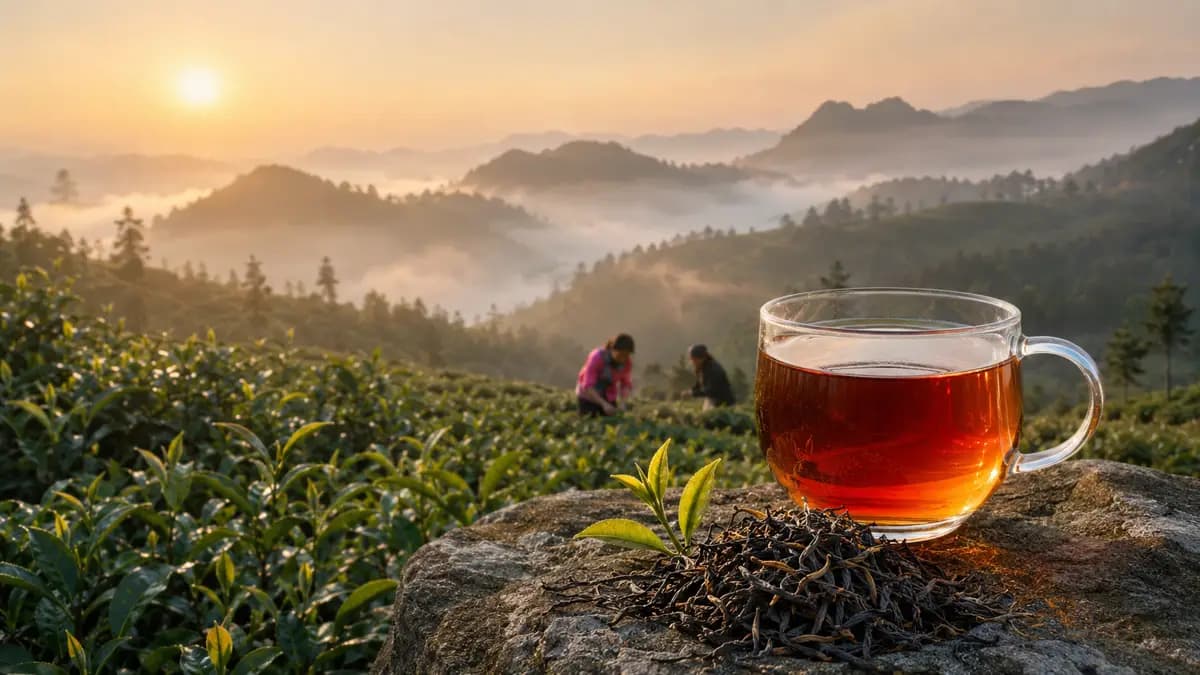
What Is Xiangxi Golden Tea? A Complete Guide
An registered Chinese geographical indication that almost nobody outside China has heard of — what it is, where it comes from, and why its composition is unusual.
9 min read
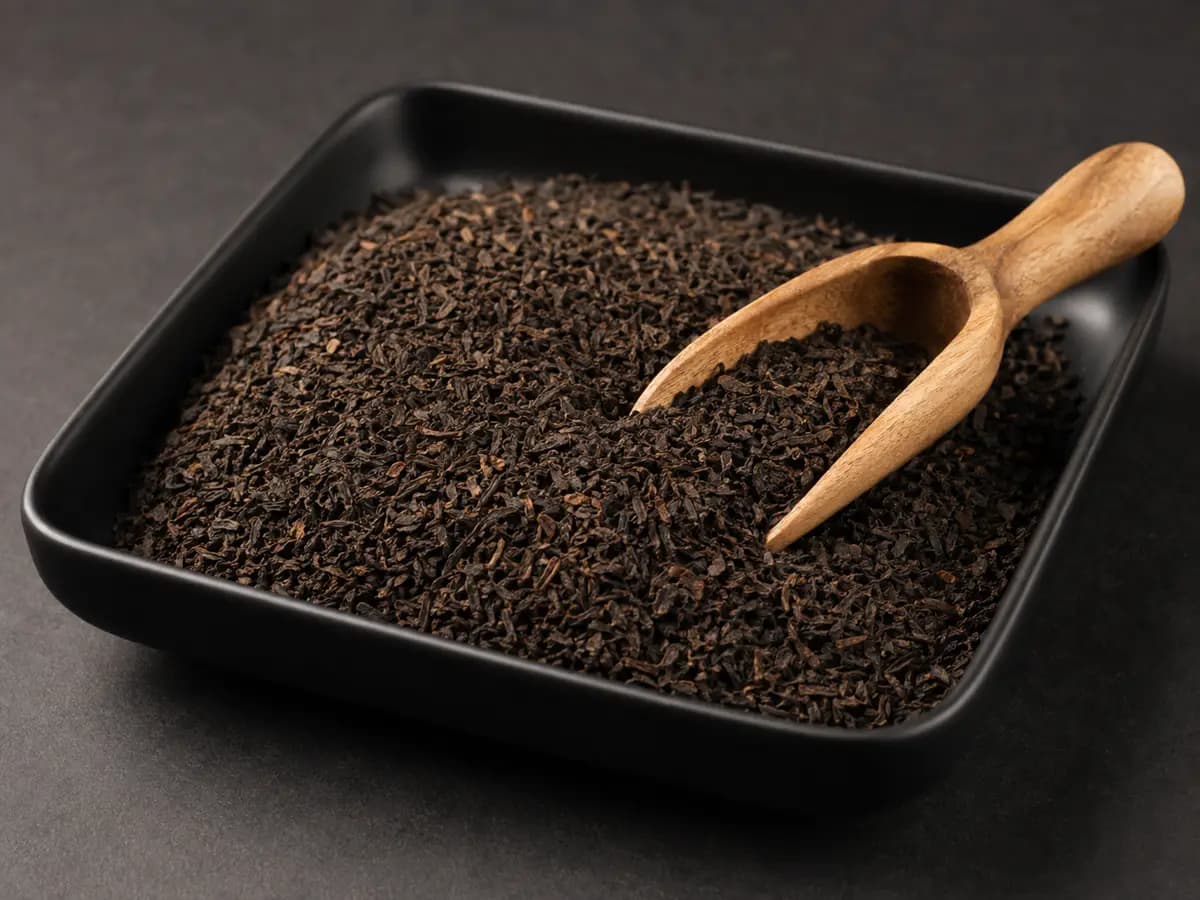
Chinese Gongfu Black Tea Processing: The Six Steps Explained
There is almost no complete English-language explanation of Chinese gongfu black tea processing written for buyers rather than hobbyists. This is one.
8 min read
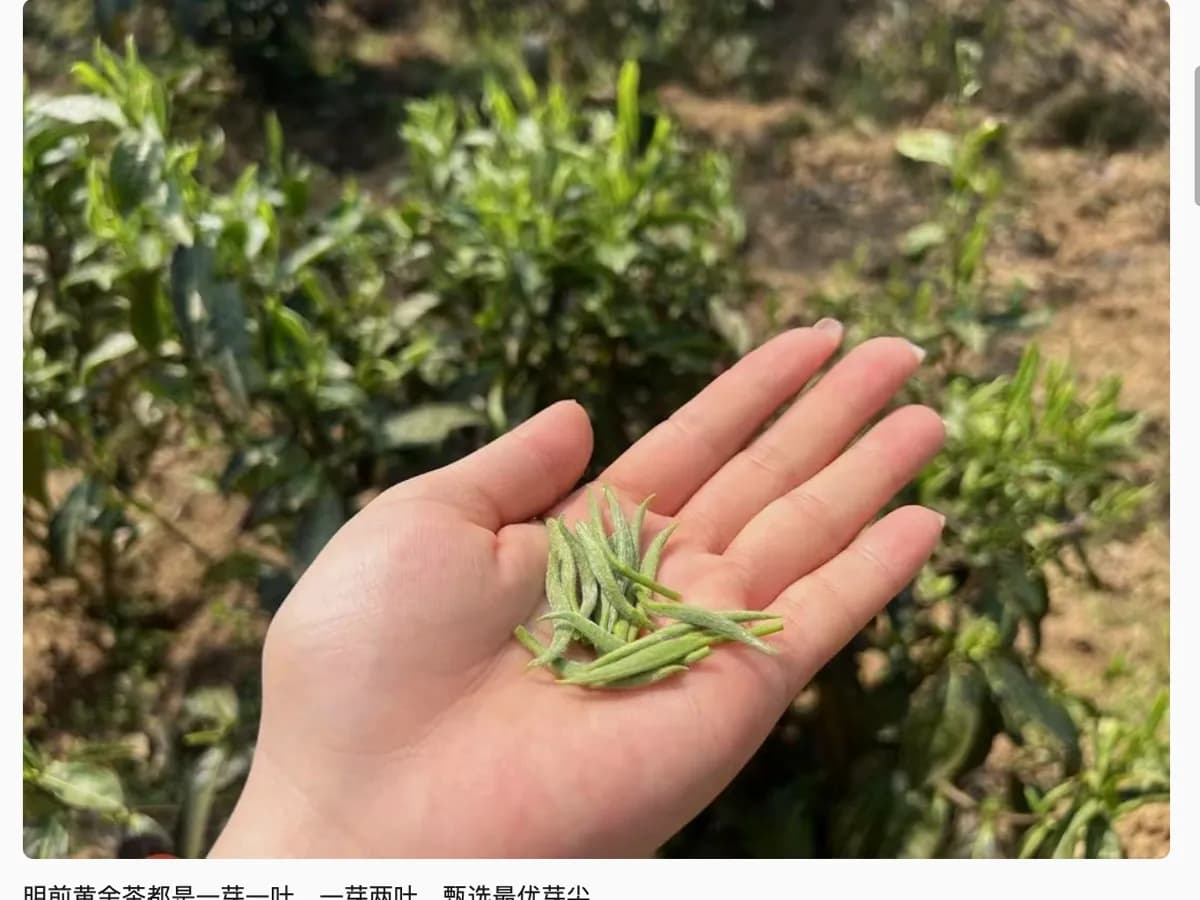
Amino Acids in Tea: Why 7.8% Matters for Flavour
Why one number on a certificate of analysis predicts more about how a tea tastes than any tasting note.
7 min read
Next step
Start with a sample
Samples are free of charge, freight collect. Tell us the format and volume you are working toward and we will send representative lots with the matching certificate of analysis.
Tell us what you need
Format, grade, rough volume and destination market. A sentence is enough to start.
Samples, freight collect
We send representative lots from current production with the matching certificate of analysis.
Specification and quotation
Once you have cupped the samples, we fix specification and quote against it.
Production and documentation
Batch QC, residue screening, then the full export document set.
Shipment
FOB by default; CIF, CFR, DAP and rail freight to Europe and Central Asia on request.
Request a Sample
Samples are free of charge, freight collect. We send representative lots from current production with the matching certificate of analysis.