Articles
Amino Acids in Tea: Why 7.8% Matters for Flavour
Why one number on a certificate of analysis predicts more about how a tea tastes than any tasting note.
Updated 2026-08-01 · 7 min read
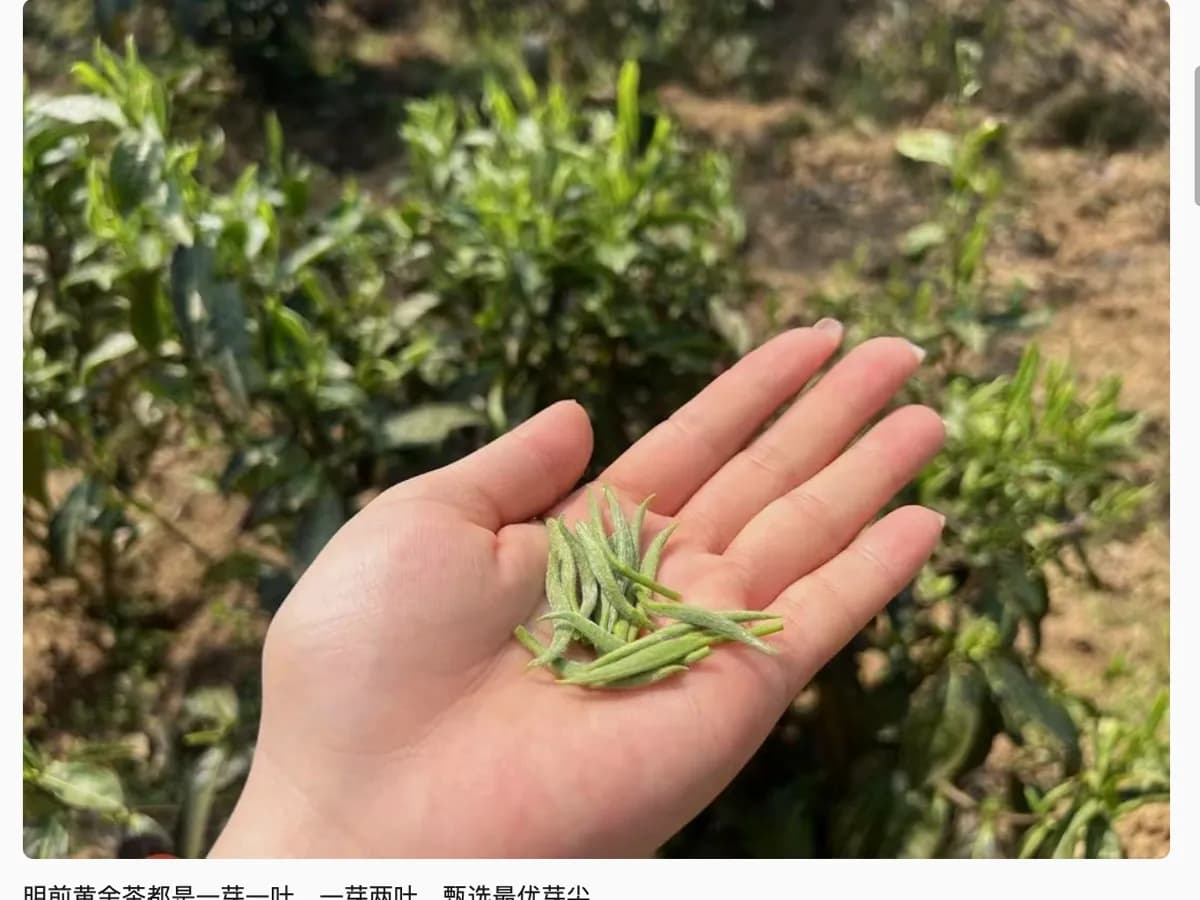
Amino acid content is the single most useful number on a tea's composition sheet for predicting flavour. Amino acids — principally theanine, which accounts for roughly half of the total in most teas — are what the palate reads as sweetness, body and the savoury quality Japanese tasters call umami and Korean tasters call gamchilmat.
Their counterpart is the polyphenol fraction, mostly catechins, which the palate reads as astringency and briskness. The relationship between the two is what Chinese tea science calls the phenol-to-amino ratio (酚氨比), and it predicts a tea's character better than almost any other single measurement.
The ratio, not the number
A high amino acid figure on its own means little. What matters is the ratio to polyphenols.
| Ratio | Character | Typical of |
|---|---|---|
| Low (< 8) | Sweet, brothy, minimal astringency | High-grade shaded green teas, high-amino cultivars |
| Moderate (8 – 15) | Balanced, structured | Most quality green and black teas |
| High (> 15) | Brisk, astringent, needs milk or sugar | Summer-harvest and commodity grades |
Xiangxi Golden Tea's published figures — 7.8% amino acids against roughly 20% polyphenols — put it firmly in the first band. That is unusual for a cultivar producing both green and black tea, and it is the compositional reason the black tea tolerates a four or five minute steep without turning harsh.
Why season matters more than anything
Amino acid content is not fixed. It is highest in the first spring flush and declines through the year, while polyphenol content moves the opposite way as sunlight increases.
- Cold temperatures slow leaf metabolism, letting amino acids accumulate.
- Shade — natural cloud cover or artificial shading — suppresses the conversion of theanine into catechins.
- Longer nights during early spring reduce daytime photosynthetic conversion.
- By summer, higher light and temperature reverse all three effects.
This is the entire commercial logic behind pre-Qingming pricing. Tea picked before roughly 5 April sells at a multiple of tea picked six weeks later from the same bushes, because the composition is genuinely different, not because of marketing.
What buyers should do with this
- Ask for amino acid content on the certificate of analysis, not just moisture and residues. Many suppliers will not have it; the ones who do are running real analysis.
- Compare like with like — figures from different harvest periods are not comparable.
- Taste against the number. If a supplier claims high amino acid content and the tea is astringent, one of the two is wrong.
- For cold brew and long-steep applications, weight the amino acid figure heavily; for milk-tea and blending applications, weight body and polyphenols instead.