Articles
Pre-Qingming vs Post-Qingming Tea: What Buyers Need to Know
Two dates in early April set the price of most Chinese tea for the year. Here is how the calendar actually works.
Updated 2026-08-01 · 7 min read
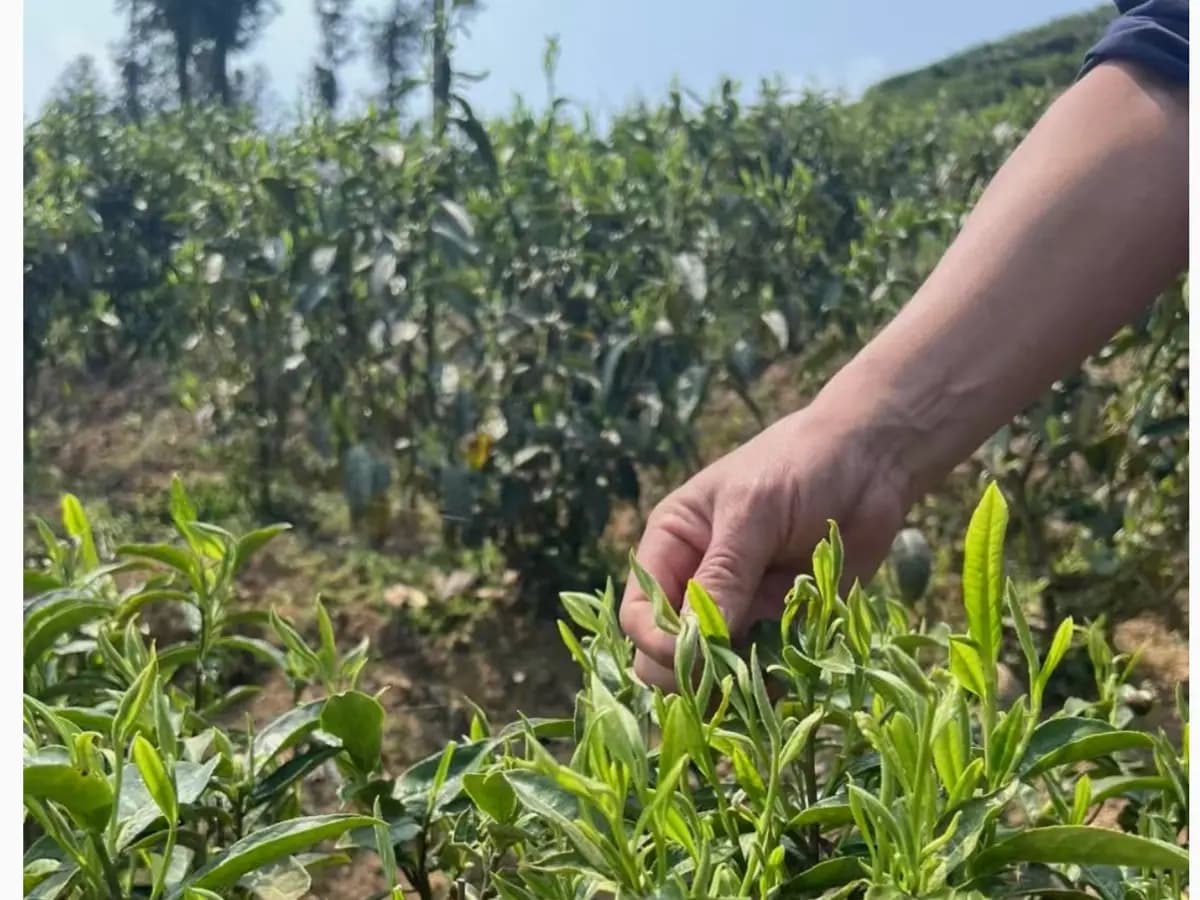
Qingming (清明) is a solar term falling around 5 April, and Guyu (谷雨) is the one falling around 20 April. Between them they divide the Chinese spring tea season into three windows, and which window a tea comes from is the largest single driver of its price.
| Window | Chinese | Approximate dates | Character | Relative price |
|---|---|---|---|---|
| Pre-Qingming | 明前 | Late March – 5 April | Highest amino acid, sweetest, most delicate | Highest |
| Pre-Guyu | 雨前 | 5 – 20 April | Fuller body, still fine | High |
| Post-Guyu / post-Qingming | 明后 | Late April – May | More structure, more yield | Moderate |
| Summer / autumn | 夏秋茶 | June – September | Brisk, high yield | Lowest |
Why the premium is real
Three things happen simultaneously in the pre-Qingming window. Amino acid concentration is at its annual peak because cold slows leaf metabolism. Yield is at its annual low, because the bushes have only just started pushing. And the picking standard is at its most demanding, because only the youngest bud sets are taken.
A pre-Qingming lot might represent a few days of picking across a whole garden. By late May the same garden is producing many times that volume per week. The price difference reflects genuine scarcity, not positioning.
Green before, black after
In Jishou, and in many Chinese producing areas, the two products are separated by date rather than by plot. The finest early leaf goes to green tea, where delicacy is the whole point. Once the pre-Qingming window closes, the same gardens switch to black tea production, where the extra body from slightly older leaf is an advantage rather than a defect.
This is why post-Qingming black tea is not a lesser product — it is the correct product for that leaf. A buyer asking for pre-Qingming black tea is usually asking for something that would be worse than what they would get by waiting.
Planning a purchasing calendar
- October – December: discuss the following season's allocation. Producers who contract garden output commit volumes here.
- January – February: confirm quantities and specifications. Artwork for custom packing should be finalised now.
- Late March – early April: pre-Qingming green production. Allocation is fixed; latecomers buy from the spot market at a premium.
- Mid-April – late May: black tea production. Samples of the new season ship from late May.
- June – September: summer and autumn production for commercial grades and teabag cut.
- Shipping: new-season green typically lands in Europe and North America from June; new-season black from July.
The single most common mistake we see is buyers enquiring about pre-Qingming lots in May. By then the tea has been made, allocated and largely sold. If a spring lot matters to your range, the conversation needs to happen the previous autumn.